Debtor Management Software vs Traditional Accounting: What’s More Effective?
Published On : July 31, 2025
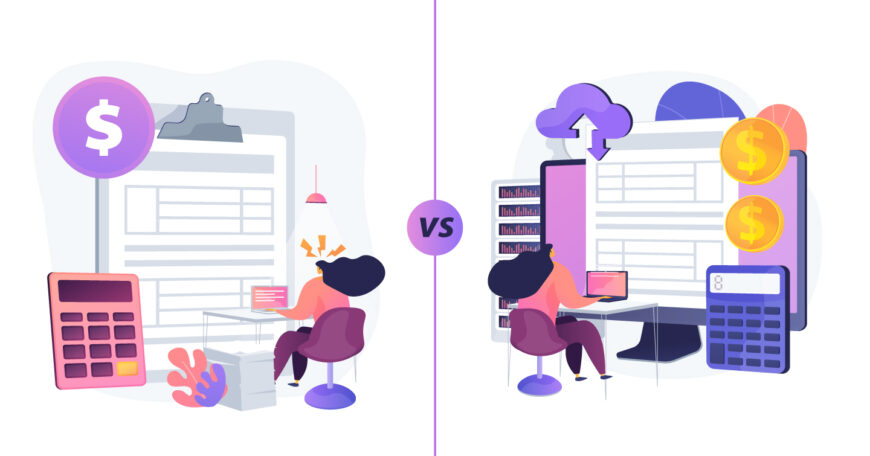
Debtor Management Software vs Traditional Accounting: What’s More Effective?
In today's fast-paced business world, managing outstanding debts effectively is crucial for maintaining a healthy cash flow. While traditional accounting systems have long been the go-to for tracking receivables, debtor management software is revolutionizing the way businesses handle overdue payments. But which is more effective—and why?
Understanding the Basics
Traditional Accounting Systems
Traditional accounting software is designed to handle overall financial management, including invoicing, payroll, taxes, and financial statements. Debt tracking is usually just one module among many.
Debtor Management Software
This specialized tool focuses solely on monitoring and recovering unpaid invoices, automating reminders, tracking customer communication, and optimizing recovery strategies.
Key Differences Between the Two
1. Automation and Efficiency
- Traditional Accounting: Requires manual follow-ups and entry of payment updates. Automation is limited.
- Debtor Management Software: Automates reminders, escalations, and collection strategies, saving time and improving productivity.
2. Communication Tools
- Traditional Accounting: Offers basic invoice delivery, often through email or print.
- Debtor Management Software: Integrated messaging systems (email, SMS, even WhatsApp), with logs of all customer interactions.
3. Real-Time Monitoring and Reporting
- Traditional Accounting: Limited reports focused on general finance.
- Debtor Management Software: Real-time dashboards for overdue accounts, payment patterns, and collector performance.
4. Scalability
- Traditional Accounting: Becomes cumbersome with a high volume of receivables.
- Debtor Management Software: Built to handle large volumes, with customizable workflows and batch processing.
Benefits of Debtor Management Software
- Faster Recovery Times: Automations ensure timely follow-ups, improving recovery rates.
- Lower Operational Costs: Reduces need for manual labor and administrative resources.
- Customer Retention: Personalized communication fosters better relationships while maintaining firm payment policies.
- Data-Driven Decision Making: Smart analytics help identify patterns and optimize collection strategies.
Why Traditional Accounting May Fall Short
While traditional accounting is essential for overall financial health, it lacks the specialization needed for effective debt recovery. It’s reactive, not proactive—designed to record what happened, not drive what should happen next.
Debt Collection in Saudi Arabia: Why Choose Debtics
For debt collectors in Saudi Arabia, managing collections efficiently while ensuring compliance with local regulations is paramount. Debtics, the leading cloud-based debt collection software in Qatar, is now empowering agencies and financial institutions across Saudi Arabia with cutting-edge features:
- Arabic-English bilingual interface
- Customizable workflows for Shariah-compliant collections
- Secure cloud infrastructure tailored for GCC data regulations
- Smart automation, payment integrations, and real-time insights
Debtics goes beyond simple tracking—it’s a strategic partner in debt recovery success.
Conclusion
If you're still relying on traditional accounting tools to manage overdue accounts, it's time to evolve. Debtor management software like Debtics offers the speed, control, and intelligence modern debt collection demands.
Don't let unpaid invoices disrupt your business—discover how Debtics can transform your collection process.
Best debt recovery management software in Saudi Arabia
Best account receivable management software in Saudi Arabia
Best collection tracking software in Saudi Arabia